Heritage Interior Restoration
Conservation-grade restoration of period and heritage interiors across Ghana — original plasterwork and cornices, timber joinery and panelling, and historic finishes carefully repaired or matched. Reversible, like-for-like methods that protect original fabric, documented and handed over in writing. Interior Decorators Ghana, since 1979.
A heritage interior is not redecorated — it is restored. Interior Decorators Ghana has worked on period and heritage interiors across Accra since 1979, repairing and conserving the original plasterwork, joinery and finishes that give an older building its character, rather than stripping them out for something new.
What is Heritage Interior Restoration?
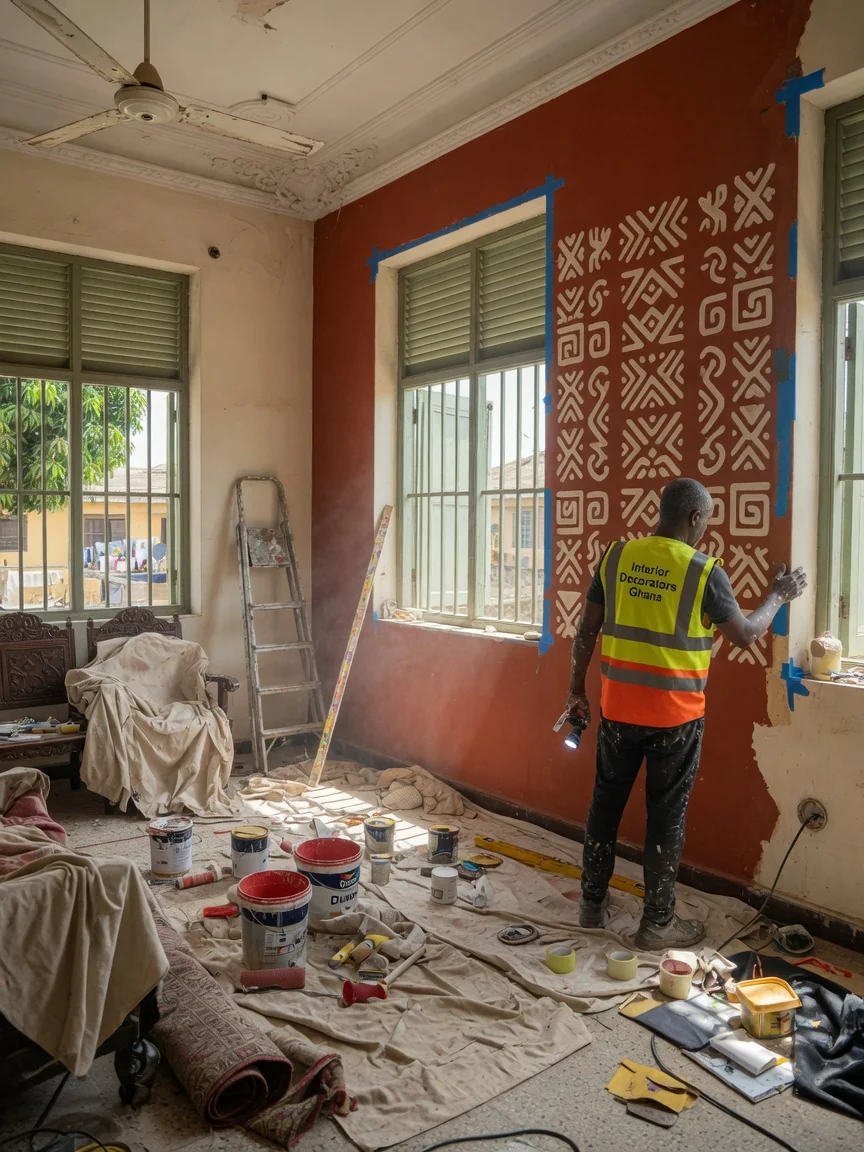
Heritage interior restoration is the careful repair and conservation of the original fabric of a period interior — its plaster cornices and ceiling roses, its timber joinery and panelling, and its historic finishes. The discipline is the opposite of a modern fit-out: the value lies in what is kept, not what is replaced. Original features are repaired in place, missing sections are reproduced to match by hand, and finishes are conserved — so the room keeps its age and authenticity while becoming sound again.
Why Restoration Is a Specialist Discipline
The most common loss is a heritage feature destroyed by well-meaning modern work — a cornice skimmed flat, original joinery torn out, a period finish painted over. Restoration is a different craft to decoration: it reads the original before it touches it, it works like-for-like and reversibly so nothing is locked in, and it matches the hand and profile of the original maker. That is why a heritage interior is given to a restorer, not a general contractor.
Choosing Restoration Over Replacement
Replacement is fast and reproduction-modern; restoration is slower and keeps the building’s history intact. The decision is feature by feature: sound original fabric is always retained and repaired; a feature genuinely beyond saving is reproduced to match the surviving profile, not substituted with a modern stock pattern. We set this out feature by feature at survey, so the owner knows exactly what is being kept, repaired and reproduced before work starts.
What We Restore
Original Plasterwork & Cornices
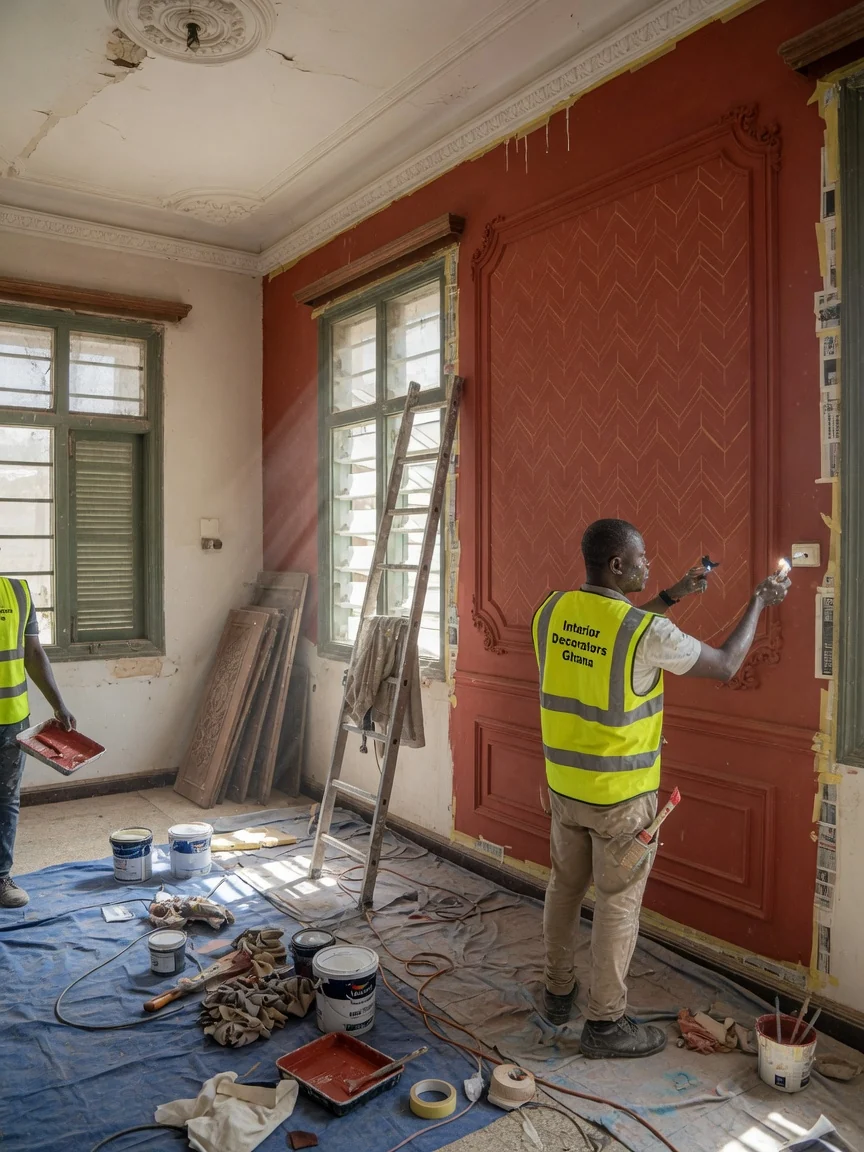
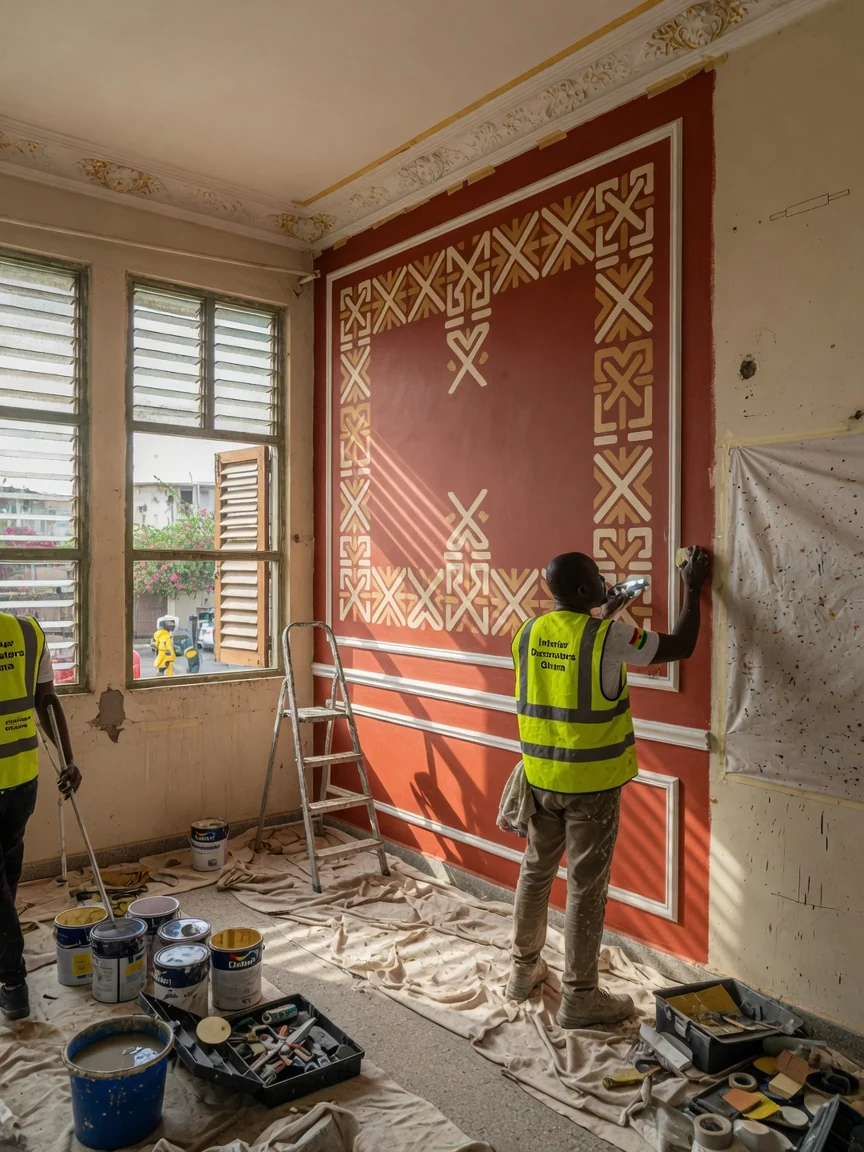
Run and cast plaster — cornices, ceiling roses, coving, mouldings and enrichments — consolidated, repaired in place, or re-run to the surviving profile. Plaster restoration is a craft finish: quality comes from matching the original profile, mix and hand, not from a certificate.
Timber Joinery & Panelling
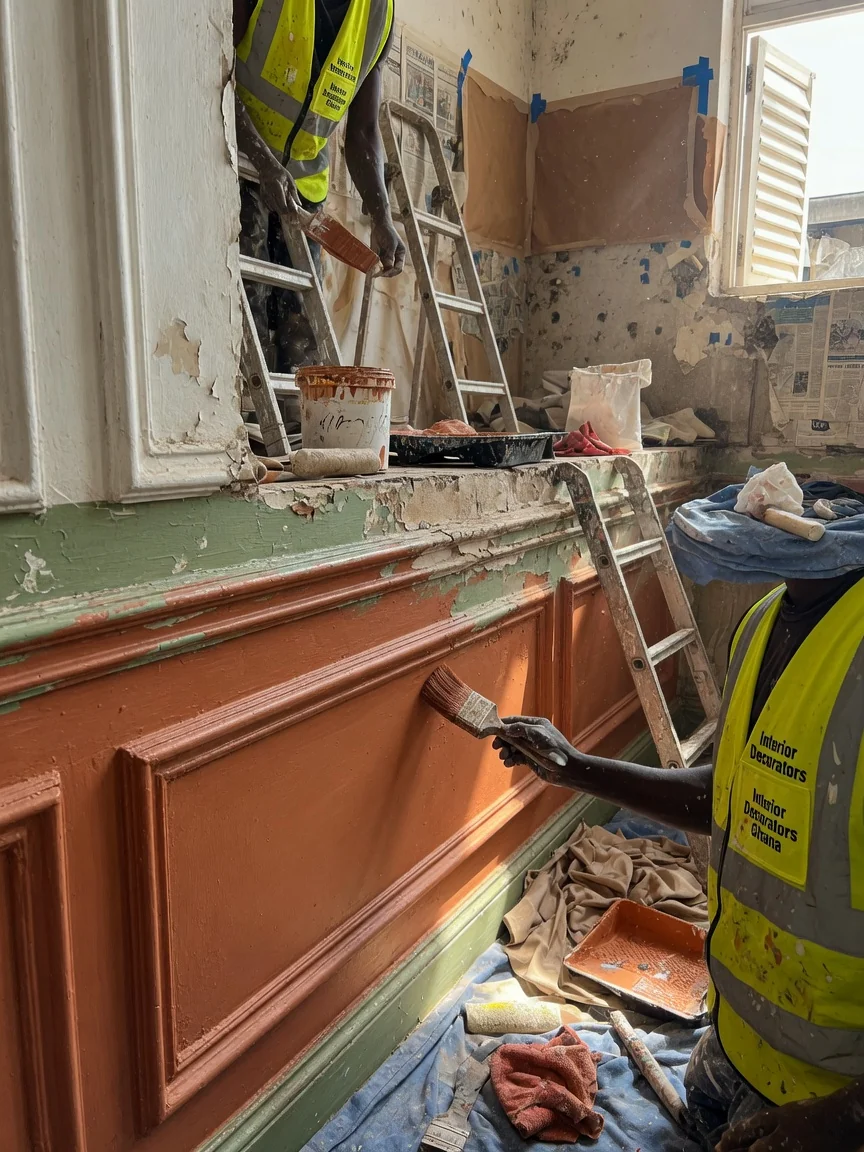
Doors, staircases, balustrades, architraves, skirtings and wall panelling repaired, spliced and matched by hand — retaining original timber wherever sound and reproducing only the sections that are beyond repair.
Historic Finishes & Decoration
Paint, polish, gilding and decorative finishes cleaned back, repaired, and matched — using lime, traditional plaster and like-for-like finishes where the original used them, so the surface keeps its period character.
Conservation of Original Features
Fireplaces, fitted cabinetry, decorative ironwork and original fixtures cleaned, stabilised and retained — protecting the original fabric and reversing earlier unsympathetic alterations where the evidence supports it.
Repair vs Reproduce vs Conserve
| Approach | When it applies | What we do | Original fabric |
|---|---|---|---|
| Repair in place | Feature is sound but damaged | Consolidate, re-fix, fill and re-run to profile | Retained |
| Reproduce to match | Feature beyond saving | Take profile/pattern from survivor, reproduce by hand | Matched |
| Conserve | Feature is fragile but intact | Clean, stabilise, protect — minimal intervention | Retained |
| Reverse alteration | Earlier unsympathetic work | Carefully remove, reinstate original where evidenced | Reinstated |
(Approach is set feature by feature at the condition survey — nothing is decided blind.)
How We Restore a Heritage Interior
- Survey & condition record — interior surveyed room by room; original features photographed and recorded; what is original, later and failing identified before work is touched.
- Conservation plan & sampling — repair-versus-reproduce agreed feature by feature; profiles taken from surviving mouldings; paint and finish samples matched; a reversible like-for-like approach set out.
- Repair, reproduction & finishing — plaster consolidated or re-run, joinery repaired or matched by hand, finishes cleaned and re-applied; original fabric protected and retained.
- Snag, document & handover — restored interior snagged against the record; methods documented; room handed over with a written record of what was repaired, reproduced and retained.
Materials & Standards
- Heritage restoration is a craft and conservation discipline — there is no product certificate for this work; quality comes from correct method, not a standard
- Like-for-like materials — lime, traditional plaster, and matched timber and finishes where the original used them, rather than modern substitutes that read wrong and trap moisture
- Reversible, minimal-intervention methods — repairs are made so that future conservation can undo them, and as much original fabric is retained as the condition allows
- Profile and finish matching — mouldings reproduced from profiles taken off the surviving original; paint and finishes matched to sample by hand
- Documented condition record — the interior is recorded before, during and after, and handed over with a written account of the work
What Affects the Cost
- The condition of what survives — how much can be repaired in place versus reproduced
- The complexity of the plaster mouldings, joinery and finishes involved
- The extent of earlier unsympathetic alteration that needs reversing
- The finishes specified — lime, traditional plaster, polish, gilding or decorative work
- Access, scaffolding, and the protection of surrounding original fabric during the work
Cost is established on survey, never quoted blind — a firm, itemised quote follows a full condition survey of the actual interior.
Applications Across Ghana
- Period and colonial-era residences and institutional buildings in Ridge, Cantonments and Airport Residential
- Heritage plasterwork, cornices and ceiling roses restored in older homes across East Legon, Labone and Trasacco
- Original timber joinery, staircases and panelling repaired and matched in established Accra properties
- Restoration and conservation commissions in Kumasi and Takoradi
Areas We Serve
Interior Decorators Ghana restores heritage interiors across Greater Accra — Cantonments, Ridge, Airport Residential, East Legon, Trasacco and Labone — plus Kumasi and Takoradi.
Related Services
- Ambassadorial & Diplomatic Interiors — residence and chancery interiors
- Art Curation & Installation — collections and display
- Bespoke Furniture Coordination — commissioned and matched pieces
- Presidential Suite Interiors — flagship residential interiors
- Multi-Disciplinary Coordination — single interior lead over all trades
- Interior Design Ghana — the full interior design service
Frequently Asked Questions
What does heritage interior restoration actually cover? The careful repair and conservation of period interiors — original plaster cornices, ceiling roses, mouldings and coving; timber joinery, doors, staircases and panelling; and historic paint, polish and decorative finishes. The aim is to retain and protect original fabric, repairing in place and reproducing to match only where a feature is beyond saving.
Do you replace original features or repair them? We repair and retain wherever the condition allows — replacing original fabric is the last resort. Where a feature is genuinely beyond repair, we take a profile from the surviving original and reproduce it to match, so the restored section reads as part of the whole.
Is heritage restoration a certified or standardised trade in Ghana? There is no product certificate for restoration — it is a craft and conservation discipline. Quality comes from correct method: like-for-like materials, reversible repairs, traditional plaster and hand work matched to the original. We describe our methods qualitatively rather than claim a standard that does not exist.
How much does restoring a heritage interior cost? Cost is established on survey, never quoted blind. It depends on the condition of what survives, how much is repaired versus reproduced, and the complexity of the mouldings, joinery and finishes — so a firm, itemised quote follows a full condition survey.